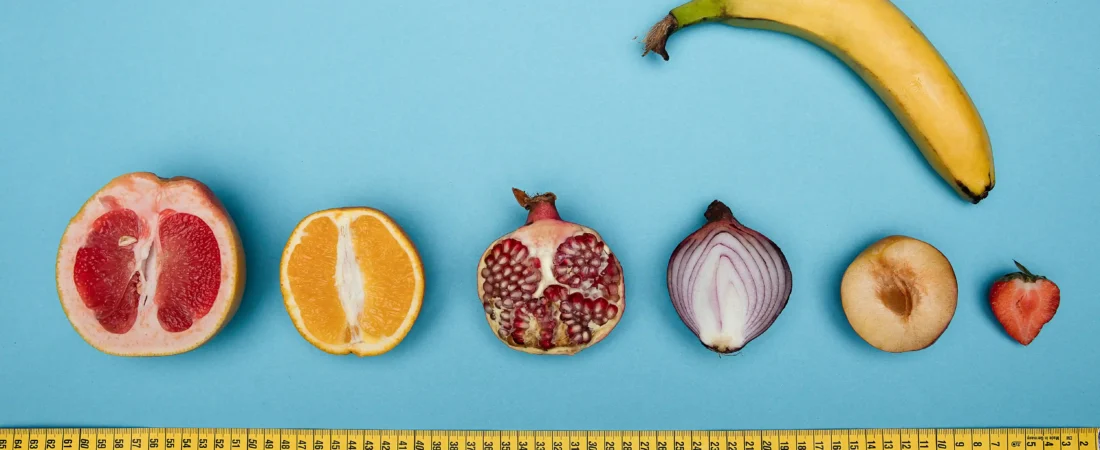
Introduction to Fruits That Help You Lose Weight
Fruits play a fundamental role in a balanced and healthy diet—especially when the goal is weight loss. They are rich in fiber, vitamins, and minerals that not only support overall health but also act as powerful allies in reducing body weight. During a weight-loss journey, it’s essential to incorporate foods that provide satiety and essential nutrients, and this is where fruits truly stand out.
“Fruits that help you lose weight” generally refer to those with low calories yet high fiber and water content. These characteristics support digestion and help keep you full for longer, which may reduce total daily calorie intake. Moreover, many of these fruits have diuretic and anti-inflammatory properties, which can benefit those trying to shed a few extra pounds.
Choosing the right fruits to include in your diet is crucial. While all fruits offer benefits, some stand out for their strong weight-loss potential. Fruits like watermelon, pineapple, and strawberries are often recommended due to their low glycemic index and high water content. These aspects promote satiety and may also help reduce fluid retention—an issue that many people face when trying to lose weight.
Therefore, consciously adding fruits to your meals is an efficient strategy for reaching weight-loss goals in a healthy way. By prioritizing fruits that help you lose weight, you can enjoy a tasty, nutritious diet while building a more positive relationship with food and the weight-loss process.
Top 10 Fruits That Help You Lose Weight
Choosing the right fruits can play a significant role in a weight-loss-focused diet. Below is a list of the top ten fruits that help you lose weight, along with their nutritional benefits and suggestions for incorporating them into healthy eating habits.
Strawberries: Low in calories and rich in antioxidants, strawberries promote satiety, support digestion, and have anti-inflammatory properties—perfect for weight loss.
Avocado: Although calorie-dense, avocados provide healthy fats and fiber, which prolong satiety and help control appetite.
Pears: High in fiber, pears support digestion and weight loss. Their water content and low glycemic index make them ideal for shedding pounds.
Coconut: When consumed in moderation, coconut may help boost metabolism due to its medium-chain triglycerides (MCTs), which the body metabolizes more easily.
Kiwi: Packed with vitamin C and fiber, kiwi supports gut health and satiety—making it a great addition to weight-loss diets.
Apples: Rich in soluble fiber and convenient for on-the-go snacks, apples help increase fullness. They can be eaten fresh, blended, or added to recipes.
Papaya: A tropical fruit low in calories and rich in digestive enzymes, papaya regulates bowel movements and supports detoxification.
Lemon: While not typically eaten on its own, lemon offers diuretic and digestive benefits and adds flavor to many dishes, supporting detox and weight management.
Tangerines: High in fiber and vitamins, tangerines promote fullness and can be easily added to snacks and salads.
Pineapple: Refreshing and rich in digestion-enhancing enzymes, pineapple is low in calories and has anti-inflammatory properties, making it an excellent weight-loss fruit.
These ten fruits are healthy options that can be integrated into a balanced diet, offering various benefits that assist with weight loss and healthy eating. Including them in your daily meals can be an effective strategy for losing weight naturally and safely.
How to Consume Fruits to Maximize Weight Loss
Incorporating fruits strategically into your diet can be an excellent way to boost weight-loss results. How frequently and creatively you consume fruits directly impacts your progress. Since fruits are rich in fiber, vitamins, and minerals—and often low in calories—they’re valuable allies for healthy weight loss.
One of the simplest methods is adding fruits to your regular meals. For example, mixing fresh fruit into morning oatmeal increases both nutrition and satiety. Fruits like strawberries, bananas, and kiwis are easy to enjoy as snacks between meals, helping control hunger. For a nutrient-dense snack, try a smoothie with spinach, avocado, and a fruit like mango or pineapple—both of which enhance fullness.
Eating fruits at different times of the day can also maximize their benefits. Having fruit in the morning provides energy and essential nutrients to start the day. Watermelon and pineapple are excellent post-workout options because they support hydration and muscle recovery, while citrus fruits can help maintain energy levels in the afternoon.
Lastly, diversify your fruit intake throughout the week to ensure a broad spectrum of nutrients. Try new combinations in salads, desserts, and even savory dishes. Creativity in the kitchen makes your diet more enjoyable and supports weight-loss goals. The key is incorporating fruits in delicious, balanced ways that optimize their benefits and promote overall health.
Fruits That Help You Lose Weight: The Best Options
Weight loss is a common goal, and smart dietary choices can make this process much easier. Fruits play an essential role in this, offering valuable nutrients and low calorie content. Strawberries and kiwis, in particular, stand out for their strong metabolic benefits and delicious flavor.
Strawberries are rich in antioxidants, vitamins, and fiber—key components for increasing satiety. Their high vitamin C content supports metabolic health, and their anthocyanins may help regulate glucose metabolism and reduce abdominal fat, making them an effective choice for weight loss.
Kiwi is another excellent option for those aiming to lose weight. Notable for its high fiber content, kiwi supports digestion and appetite control. It also contains actinidin, an enzyme that enhances protein digestion and boosts metabolic efficiency. Research consistently shows that adding kiwi to your diet can improve nutrient intake and overall health.
These fruits, among others that support weight loss, should not be underestimated. Incorporating them into your daily routine can help with weight loss while delivering numerous health benefits. Their combination of flavor and nutritional power makes them valuable allies on the path to a healthier lifestyle.
Tips for Diabetics: Fruits That Help with Weight Loss
Choosing the right fruits is especially important for diabetics who want to manage blood sugar levels while losing weight. Fortunately, several low-glycemic fruits can support both health and weight-loss goals. These fruits digest more slowly, helping prevent glucose spikes.
Apples are an excellent option thanks to their fiber content and satiety-boosting properties. Pears also have a low glycemic index and offer vitamin C. Oranges, despite their sweetness, contain beneficial compounds for metabolic health and can be consumed in moderation.
Berries—such as strawberries and blueberries—are particularly beneficial. They are rich in antioxidants and have a very low glycemic index, making them perfect for smoothies or snacks. Avocado is another great option, providing healthy fats and satiety-boosting properties that help avoid overeating.
Dried fruits, however, should be consumed with caution. While nutrient-rich, they contain concentrated sugars and require careful portion control. Diabetics should always monitor how each fruit affects their glucose levels and ideally follow a meal plan guided by a healthcare professional.
Consumption Tips: How to Make the Most of Fruits
Smart fruit consumption is essential for maximizing their nutritional benefits—especially during weight loss. First, always opt for fresh, seasonal fruits, as they offer better nutrient density. Also, eating whole fruits instead of juices or purees is best because whole fruits retain valuable fiber that improves digestion and increases fullness.
Another key tip is avoiding added sugar. Although it may be tempting to sweeten certain fruits, doing so counteracts their health benefits and may contribute to weight gain. Instead, use natural flavor enhancers like cinnamon or vanilla. Fruit salads, smoothies, and homemade sugar-free compotes are excellent healthy alternatives.
Pay attention to preparation methods as well. Cooking fruits in water or steaming them may reduce nutrient concentration, so whenever possible, consume them raw. If making juice, use a blender to preserve the pulp—and therefore the fiber. Overripe fruits can be repurposed for purees or used in healthy recipes like whole-grain baking or yogurt toppings.
With creativity and proper techniques, fruit consumption becomes more enjoyable and nutritionally powerful—supporting a healthy, sustainable weight-loss journey.
The Importance of Variety in a Fruit-Based Diet
Including a diverse range of fruits in your diet is essential for achieving a balanced and healthy lifestyle. Variety prevents meal monotony and ensures that you consume a wide range of nutrients that are crucial for both overall health and effective weight loss. Relying on the same fruit repeatedly may limit your intake of essential vitamins, minerals, and antioxidants found in other options.
Because fruits differ dramatically in taste, texture, and nutritional profile, varying your choices can make eating more enjoyable. For example, bananas are rich in potassium and carbohydrates, while berries are packed with antioxidants and high-satiety fiber. This mix helps regulate appetite and provides steady energy throughout the day—important factors for successful weight management.
Variety also positively affects gut health. Studies show that a diverse fruit-rich diet supports digestion and boosts beneficial gut bacteria, which play a major role in metabolism and nutrient absorption. For anyone seeking to lose weight and improve overall wellness, fruit diversity is key.
In summary, incorporating a wide variety of fruits maximizes nutritional benefits and enhances any healthy eating plan. When planning meals, choose an assortment of fruits that satisfy both your taste preferences and nutritional needs.
Conclusion
Fruits play an essential role in a healthy diet, especially for those aiming to lose weight. Throughout this article, we explored several fruits that help with weight loss, highlighting their nutritional qualities and health benefits. Fruits are rich in fiber, vitamins, and minerals, promoting fullness and naturally reducing appetite. Most fruits are low in calories, making them smart choices for sustainable weight loss.
Among the many options—such as apples, pears, watermelon, and avocados—each offers unique benefits that support weight loss. Incorporating these fruits into your daily routine not only helps with slimming down but also boosts overall health, supports disease prevention, and nourishes the body. Regular fruit consumption is an effective strategy for improving diet quality and enhancing overall well-being.
Therefore, it is highly recommended that readers consider adding fruits that promote weight loss to their daily meals. By including them in dishes or snacks, you can enjoy delicious flavors while progressing toward your weight-loss goals naturally and enjoyably. Set realistic goals by incorporating at least one serving of fruit into every meal and observe the positive impact on your energy and health throughout the day. Try different combinations and discover new ways to include these natural powerhouses in your routine.